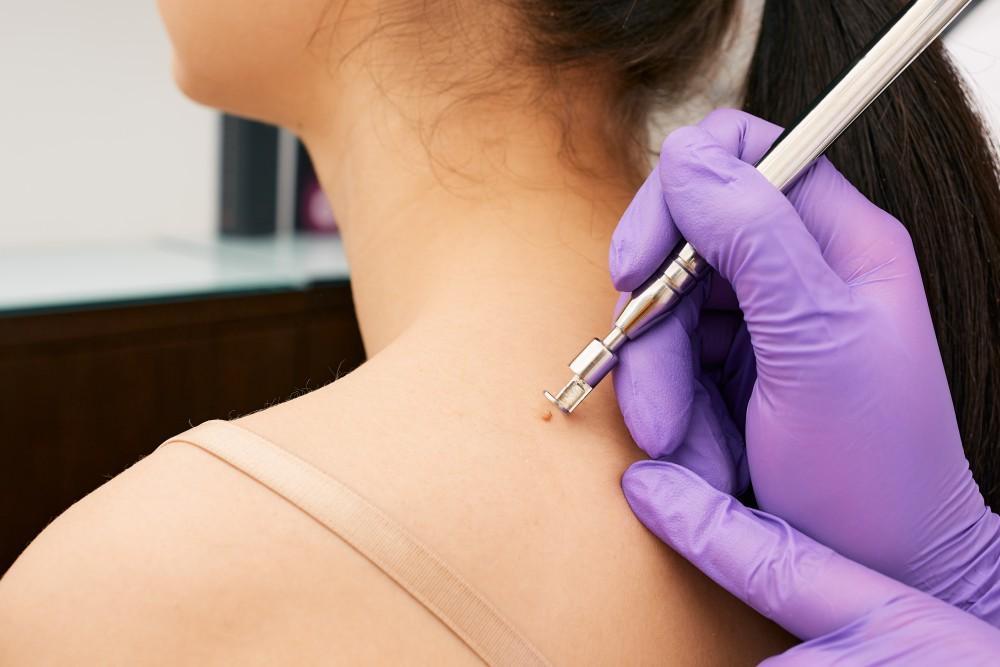
Benign growths that occur in places of friction on your body, skin tags are common and usually pain-free. Regular skin tags, called acrochordons medically, typically form in the armpits, neck, groin and other places where skin rubs on skin or clothing.
Perianal skin tags are acrochordons that form around the anus. They’re common and may occur in the aftermath of hemorrhoids, or when the anal area is regularly cleaned too aggressively.
While anal skin tags aren’t a medical hazard, their appearance may be embarrassing or unsettling. Visit Colorado Colon & Rectal Specialists in Parker, Colorado, for expert care and treatment of anal tags by proctologist Lisa A. Perryman, FACS, FASCRS.
Why anal tags form
Because of the need to change size to retain or pass stool, the skin around the anus is looser than in other places on the body. Hemorrhoids can produce additional skin, which in turn can form anal tags.
Other conditions and contributing factors can also aid tag formation, including:
- Constipation: This is also a risk factor for hemorrhoids
- Diarrhea: may contribute to over-wiping
- Friction: from exercise, extending time sitting, or tight-fitting clothes
- Obesity
- Scars from other conditions like anal fistulas
There’s also a suspected genetic connection. It’s not always known why some people develop skin tags and others don’t. Regardless, patients often feel self conscience about them.
Treating anal skin tags
It’s not always necessary to remove anal tags. Compared with the teardrop shape of skin tags in other locations, anal tags are often flat with little or no stalk attaching them to the skin’s surface.
Visible anal tags are easy for Dr. Perryman to diagnose. Removing an anal tag usually isn’t considered until there’s a complication such as cleanliness or cosmetic concern on the part of the patient.
Dr. Perryman usually uses a procedure called scissor excision to remove anal tags. Under local anesthesia, the tag or tags are expertly cut from the body. Generally, bleeding is minimal.
You can expect your procedure to take less than 20 minutes in the office. The area is cleaned to reduce the risk of infection, and the anal tag is cut off. Recovery is relatively quick.
We recommend avoiding strenuous work for a few days after your procedure. We’ll provide you with specific instructions for recovery care at the time of your procedure.
We may also recommend stool softeners or fiber supplements to make it easier to have bowel movements that don’t cause you to strain while you heal.
If you wish to speak with Dr. Perryman about anal tags or suspected tags, contact Colorado Colon & Rectal Specialists for a consultation. Call or use our online booking tool to schedule your appointment today.