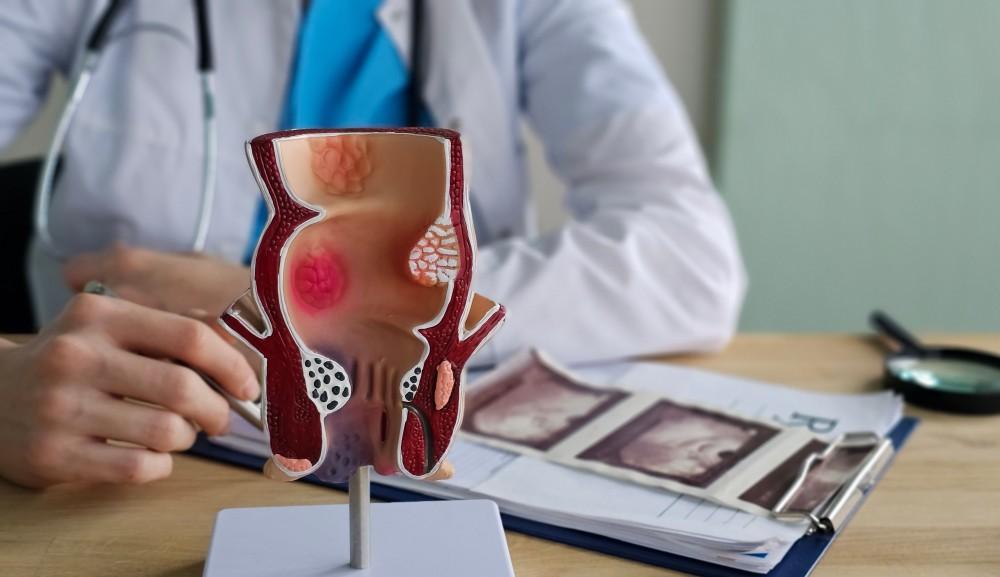
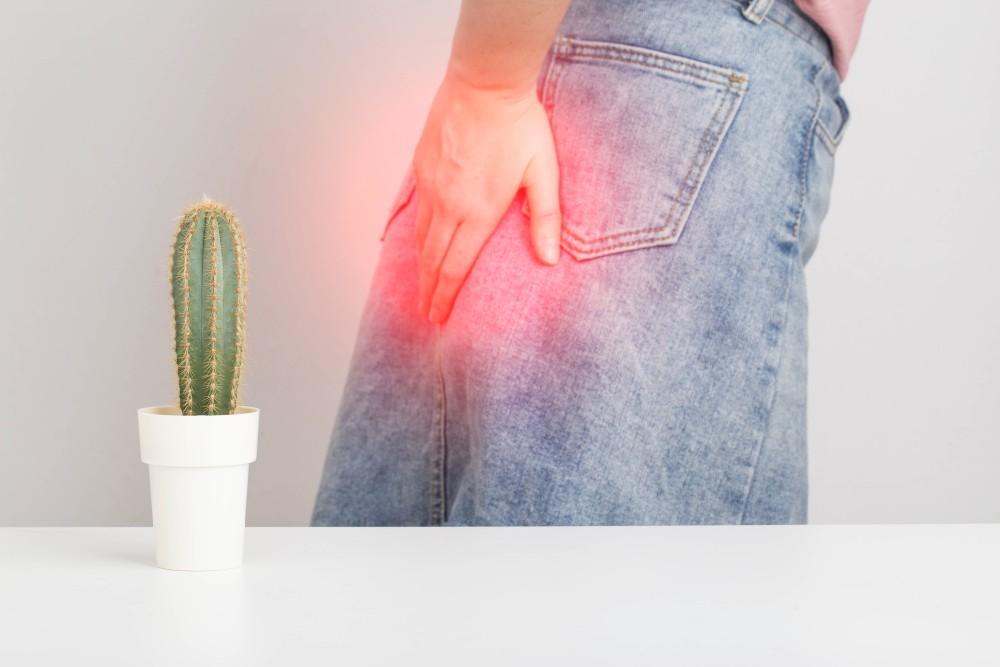
An anal fistula is an abnormal “tunnel” resulting from an abscess or anal gland infection. The infection burrows through the wall of the anal canal, emerging through surrounding skin.
While fistulas can be treated successfully, it’s possible for them to recur. At Colorado Colon & Rectal Specialists in Parker, Colorado, Dr. Lisa Perryman, FACS, FASCRS, wants to help you avoid this problem. This month’s blog is a guide to why anal fistulas occur and how to manage them and neutralize their underlying causes. This knowledge can help you choose an effective treatment strategy.
Why fistulas recur
Anal fistulas can return for a number of reasons that happen alone or in combination. Some of the most common include:
- A persistent infection
- Unidentified fistula pathways
- Secondary abscesses
- Incomplete healing from the original fistula
Underlying conditions, like Crohn’s disease, can raise your risk of fistulas and their recurrence. Treatment can be difficult when a fistula involves an anal sphincter tissue, since treatment balances healing and bowel control.
Recognizing signs of recurrence
You may be able to recognize recurrence early through some typical warning signs, such as:
- Tenderness, swelling, or skin irritation
- Blood or pus drainage in the anal area
- Localized pain
- New anal abscesses
- A small opening in the skin that closes and reopens
Treating recurring fistulas
When a fistula persists or recurs, often the first step of treatment is thorough diagnostic imaging to identify potential problems beneath the skin’s surface. This can include pelvic magnetic resonance imaging (MRI) or endoanal ultrasound to map the fistula’s sometimes complex pathways.
When possible, Dr. Perryman chooses minimally invasive techniques to treat your fistula, though in some cases, open surgery can be a better option. A fistulotomy opens a fistula tract, permitting the fistula to heal from the inside out.
A seton, a section of thin surgical thread, may be placed to aid drainage and prevent infection from advancing in more complex fistula tracts. In all cases, Dr. Perryman works to minimize trauma to skin and sphincter muscles.
Postoperative care
We’ll advise you of specific care instructions that apply to your case, and it’s important that you follow these faithfully. Recovery is an important part of preventing recurrence.
Stool softeners, hydration, and fiber intake are important, as are gentle hygiene tasks. The care you take with recovery also speeds your return to regular living.
Each anal fistula recovery plan is customized to the patient, and the right plan will work for you. Begin your journey in consultation with the team at Colorado Colon & Rectal Specialists. Call or click to schedule your visit today.